Fluconazole 150 mg tablets are an oral antifungal option for shoppers looking for an alternative online-pharmacy route. This listing is designed for a no-prescription checkout path: before paying, review the current price, pack details, availability and delivery terms shown on the destination page.
The product information below is for a US-English audience and helps you compare an online order without overpromising stock, delivery speed or suitability. A 150 mg tablet is not a substitute for a personal diagnosis; use the official safety information and seek clinical advice when symptoms are unfamiliar, severe or recurrent.
Need fluconazole 150 mg from an alternative pharmacy?
Check the no-Rx order option, current price, available pack presentation and delivery terms before checkout.
View price & no-Rx order options
Alternative-pharmacy checkout • no prescription upload required • confirm the exact product and delivery details before payment.
Fluconazole 150 mg Tablets: What to Confirm Before Ordering
Fluconazole is the active ingredient; 150 mg identifies the tablet strength. The destination may offer a branded Diflucan presentation or a generic equivalent, and pack presentation can vary. Review the current listing for the exact product name, strength, quantity and manufacturer information before you place an order.
Use the product page as the source of truth for live availability. Do not rely on an old search result, a headline price or a previous order when stock and package details matter.
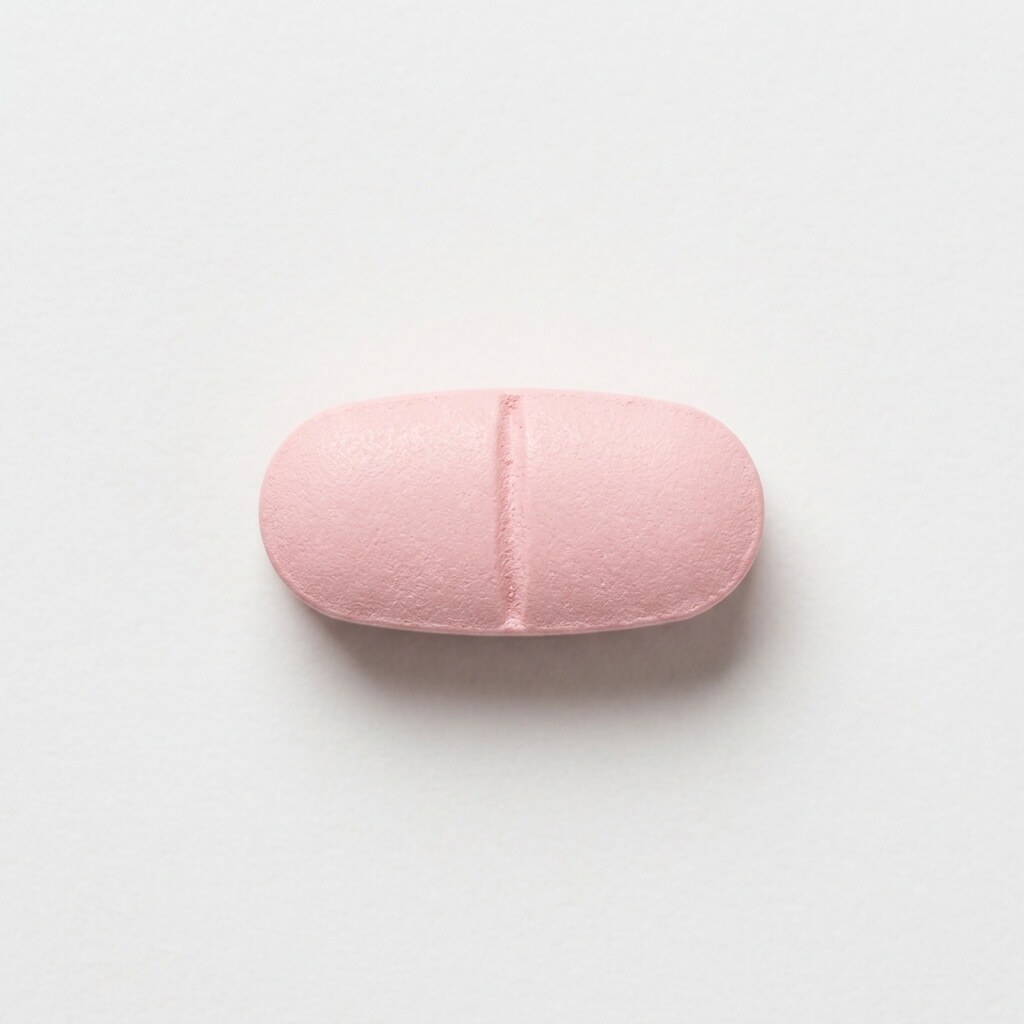
Alternative Pharmacy Checkout: No Prescription Upload Required
This alternative-pharmacy order route is presented as a no-Rx checkout option, so you do not need to upload a prescription before reviewing the purchase flow. Check the destination page for its current ordering requirements, price and delivery choices before submitting payment.
No-prescription checkout describes the purchase path; it does not establish that a 150 mg tablet is appropriate for every symptom, medicine or health history. The safest decision is to compare the product details and use professional advice when you are unsure.
Compare Price, Pack Details, Availability and Delivery Before Checkout
For this product, the useful commercial checks are straightforward: confirm the current total price, the exact pack presentation, whether the item is available now and the delivery terms for your location. These details can change, so they belong at the point of purchase rather than in a fixed claim on this page.
- Confirm that the listing states fluconazole 150 mg and shows the pack quantity or presentation.
- Review the total payable price, not only an introductory or per-tablet figure.
- Check live availability before relying on a delivery estimate.
- Read delivery, tracking, privacy and returns information before payment.
- Keep the order confirmation and product details for your records.
When to Get Medical Advice Before Taking Fluconazole
Fluconazole can interact with other medicines and may not be suitable in some circumstances. Get medical advice first if this is your first suspected yeast infection, your symptoms are severe or keep returning, you are pregnant or breastfeeding, or you have liver or kidney concerns.
Talk to a clinician or pharmacist about any medicines you take and use the official product information for warnings and instructions. For a comparison of genuine OTC topical options and the standard US prescription context, see our Diflucan OTC guide. If you spot a factual issue on this page, please contact FP Mom Life.

Official Sources for Fluconazole and Safer Online Purchasing
- DailyMed fluconazole labels — review current US labeling, dosage forms, warnings and patient information.
- MedlinePlus fluconazole drug information — read plain-language information on uses, precautions and side effects.
- FDA Drugs@FDA — search US approval records and FDA-approved labeling.
- FDA BeSafeRx — use FDA guidance when evaluating an online medicine seller.
Fluconazole 150 mg Order Questions
Can I order fluconazole 150 mg without submitting a prescription?
This alternative-pharmacy checkout is presented as a no-prescription-upload route. Review the destination’s current order terms, product details and delivery options before completing payment.
What should I check in the product listing?
Confirm the active ingredient, 150 mg strength, pack presentation, price, live availability and delivery terms. These specifics are more useful than a generic headline claim.
Will the price or pack size always be the same?
No. Price, stock and pack presentation can change. The current destination page is the right place to confirm the exact order before checkout.
Is fluconazole 150 mg the same as a topical OTC treatment?
No. Fluconazole is an oral antifungal. Topical OTC products are a different treatment format; the linked OTC guide explains that comparison in more detail.
When should I ask a clinician or pharmacist?
Ask before taking fluconazole if symptoms are new, severe or recurrent, or if pregnancy, breastfeeding, health conditions or other medicines could affect your choice.